
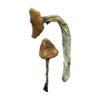
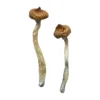
B+ Magic Mushrooms Europe
B+ Magic Mushrooms Europe – Psilocybe Cubensis Information
B+ Magic Mushrooms are a widely recognized cultivated variety associated with Psilocybe cubensis. B+ is one of the better-known commercial names used for P. cubensis products and is frequently discussed in mushroom-cultivation and mycology communities.
Psilocybe cubensis is a species associated with naturally occurring psilocybin and psilocin, the principal psychoactive compounds found in many hallucinogenic mushrooms. Psilocybin is converted by the body into psilocin after ingestion.
B+ products can differ considerably in appearance, chemistry and potency between individual specimens and batches. Consequently, descriptions such as “strong,” “high potency,” or specific effects should not be treated as standardized characteristics of every B+ mushroom.
B+ Magic Mushrooms Description
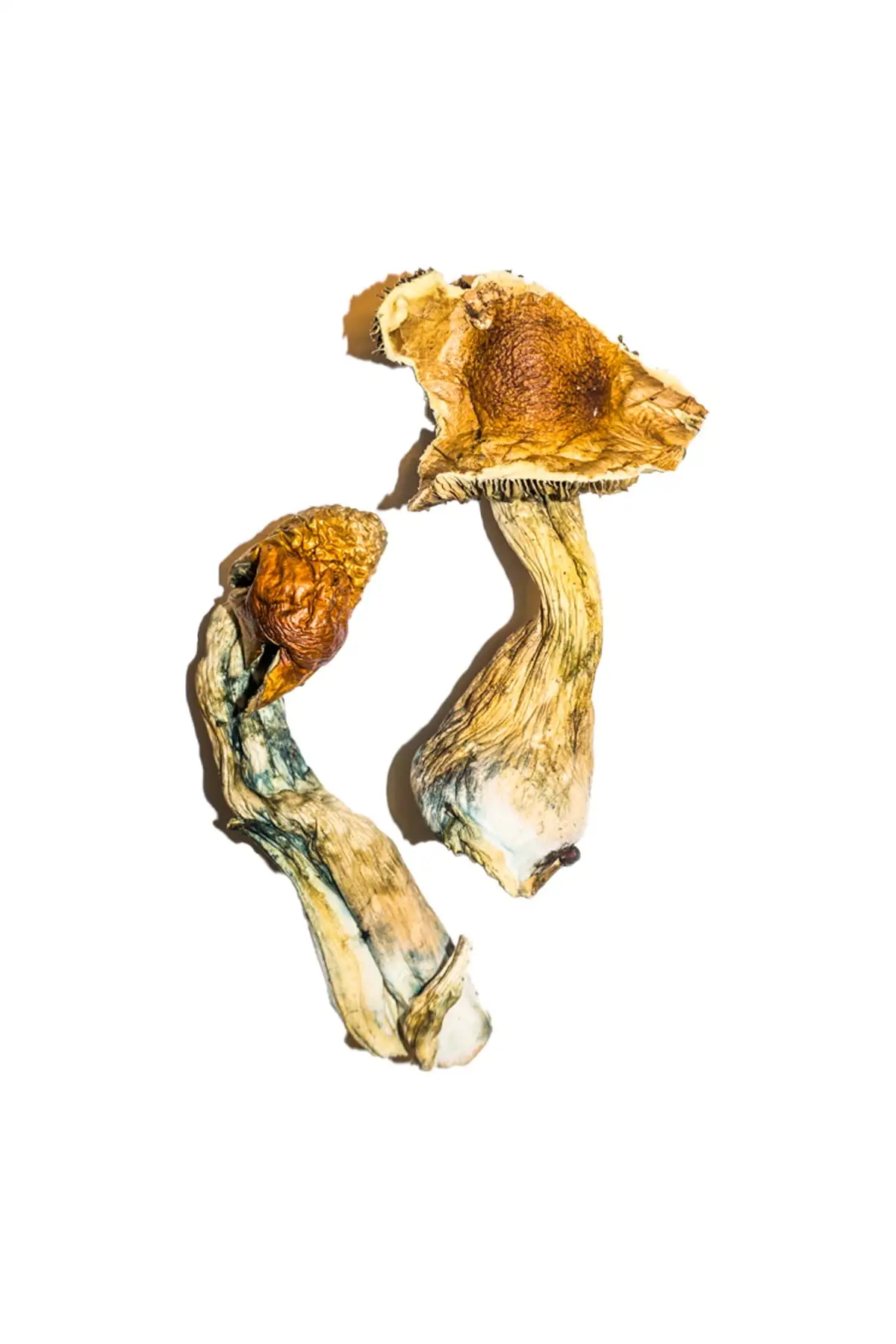
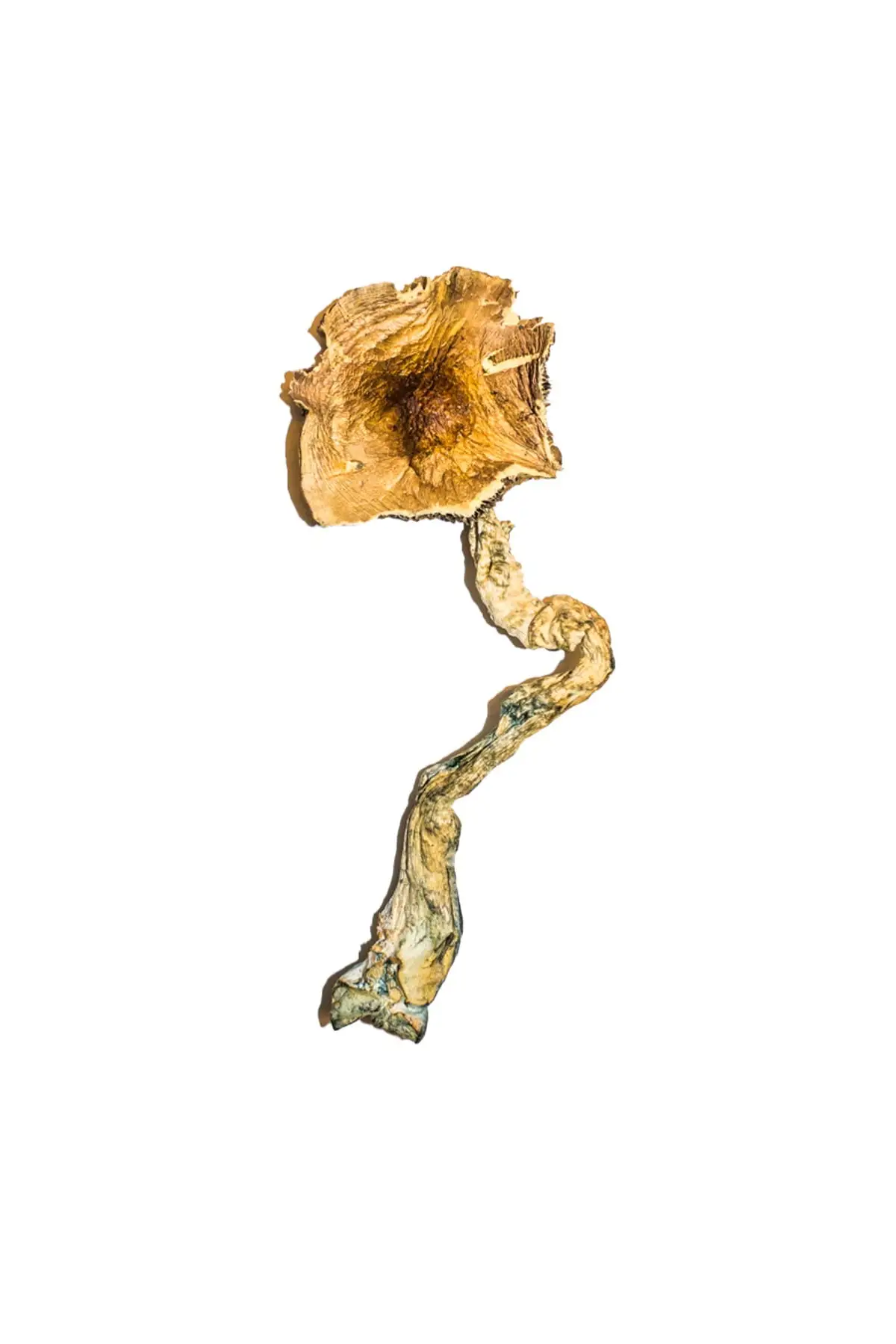
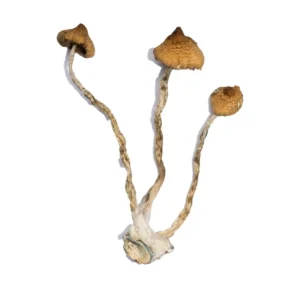
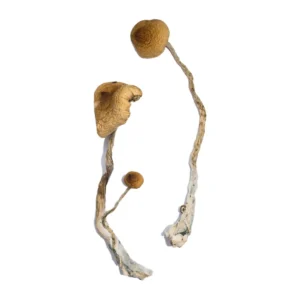
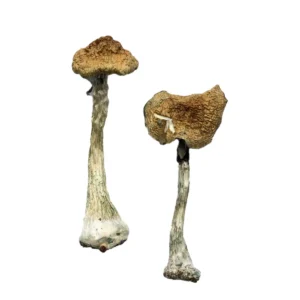
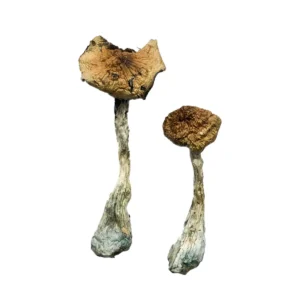
B+ is commonly identified as a Psilocybe cubensis variety with a reputation for relatively large fruiting bodies and broad caps. Commercial descriptions often emphasize its recognizable appearance and established presence within the cultivated P. cubensis market.
However, characteristics can vary according to genetics, cultivation conditions, specimen maturity and individual mushroom.
The B+ designation should therefore be understood as a cultivated variety name rather than a standardized chemical specification.
Key Features
- Commonly associated with Psilocybe cubensis
- Well-known cultivated B+ variety
- Frequently recognized within the P. cubensis community
- Typically associated with substantial fruiting bodies
- Broad-cap appearance is commonly reported
- Contains or may contain naturally occurring psilocybin and psilocin
- Chemical composition can vary between specimens
- Potency is not standardized by the B+ name
- Product characteristics can vary between batches
Appearance
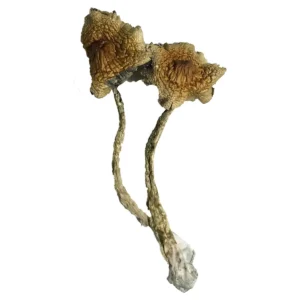
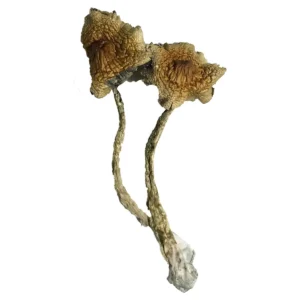
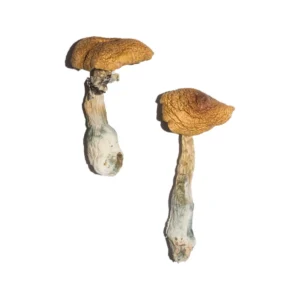
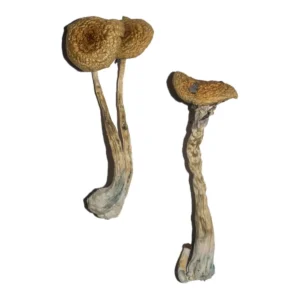
B+ mushrooms are commonly described as having relatively substantial stems and broad caps compared with some other cultivated Psilocybe cubensis varieties.
Appearance can vary according to:
- Genetics
- Growing conditions
- Maturity
- Humidity
- Temperature
- Individual specimen
- Harvest and storage conditions
Physical appearance alone cannot reliably determine the concentration of psilocybin or psilocin.
Psilocybin & Psilocin
The primary psychoactive compounds associated with hallucinogenic Psilocybe mushrooms are psilocybin and psilocin.
According to the European Union Drugs Agency (EUDA), psilocybin is the principal psychoactive compound in hallucinogenic mushrooms and is converted into pharmacologically active psilocin in the body.
Other compounds, including baeocystin and norbaeocystin, may also occur in some specimens, although they are generally considered less active than psilocybin and psilocin.
Potency Information
There is no standardized “B+ potency.”
Two mushrooms carrying the B+ designation may contain different concentrations of active compounds. Differences can arise from genetics, growing conditions, maturity and other biological factors.
For this reason, unsupported claims such as “the strongest B+,” “guaranteed potency,” or “twice as strong” should not be treated as scientific specifications.
Where chemical composition is important, batch-specific laboratory analysis provides substantially more useful information than strain marketing terminology.
Specifications
| Specification | Details |
|---|---|
| Product name | B+ Magic Mushrooms |
| Common variety name | B+ |
| Scientific association | Psilocybe cubensis |
| Product category | Psilocybe mushroom |
| Principal compounds | Psilocybin and psilocin |
| Appearance | Typically broad-capped with substantial stems |
| Genetics | B+ commercial variety/line |
| Potency | Variable; not standardized |
| Chemical composition | Specimen and batch dependent |
| Product condition | Verify current product listing |
| Net weight | Verify product-specific packaging |
| Batch information | Product dependent |
| Laboratory analysis | Recommended where available |
| Storage | Follow product-specific instructions |
| Legal status | Country-specific |
B+ Compared With Other Psilocybe Cubensis Varieties
B+ belongs to the broader Psilocybe cubensis group, which contains numerous cultivated varieties.
Commercial varieties may differ in:
- Cap morphology
- Stem characteristics
- Growth characteristics
- Genetics
- Appearance
- Chemical composition
- Reported potency
A variety name alone does not provide a reliable measurement of psychoactive compound concentration.
Scientific & Research Context
Interest in psilocybin-containing mushrooms has increased substantially because researchers are investigating psychedelic compounds in controlled clinical settings.
EUDA reports that research has explored potential therapeutic applications of psychedelics, including psilocybin, while emphasizing that these substances remain controlled and that their regulatory status differs across jurisdictions.
This research should not be interpreted as establishing commercially sold mushrooms as medical treatments.
Legal Status in Europe
The legal status of B+ mushrooms is not uniform throughout Europe.
EUDA states that psilocybin and psilocin are controlled under the 1971 UN Convention on Psychotropic Substances, while the legal treatment of mushrooms containing these compounds varies among European countries. Some jurisdictions specifically control the mushrooms themselves, while others regulate substances or preparations containing psilocybin or psilocin.
Therefore, a statement that B+ mushrooms are “legal in Europe” would be misleading. The applicable law must be determined according to the specific country.
Quality & Laboratory Testing
For products marketed as containing psychoactive mushrooms, useful quality information includes:
- Scientific species identification
- Variety/genetic designation
- Batch number
- Net weight
- Psilocybin analysis
- Psilocin analysis
- Contaminant screening
- Laboratory identity
- Testing date
- Storage information
Independent testing is preferable to relying solely on marketing descriptions.
Frequently Asked Questions
What are B+ Magic Mushrooms?
B+ Magic Mushrooms are commonly associated with the B+ variety of Psilocybe cubensis, a species known to contain psilocybin and psilocin.
What does B+ mean?
B+ is a commonly used cultivated variety designation for Psilocybe cubensis. It is not a standardized pharmaceutical or chemical classification.
Are B+ mushrooms the same as Psilocybe cubensis?
B+ is generally marketed as a cultivated variety or genetic line associated with Psilocybe cubensis.
What do B+ mushrooms look like?
They are commonly described as having relatively large fruiting bodies and broad caps, although appearance varies substantially between specimens and growing conditions.
Are B+ mushrooms potent?
Potency cannot be reliably determined from the B+ name alone. Psilocybin and psilocin concentrations can vary between specimens and batches.
Do all B+ mushrooms contain the same amount of psilocybin?
No. Chemical concentration is not standardized across B+ specimens.
What are the active compounds in B+ mushrooms?
The principal psychoactive compounds associated with Psilocybe mushrooms are psilocybin and psilocin.
Is B+ a different species from Psilocybe cubensis?
The B+ designation is generally used for a cultivated P. cubensis variety rather than a separate mushroom species.
Is B+ legal in Europe?
There is no single Europe-wide legal answer. Laws differ between individual countries and can change over time.
Are B+ mushrooms approved as medicine?
Commercial B+ mushrooms should not be represented as an approved medicine. EUDA reports that classical psychedelics had not been approved through EU or Member State regulatory mechanisms for medical treatment at the time of its published FAQ.
Can potency be determined from the mushroom’s size or appearance?
No. A large cap or thick stem does not establish the concentration of psilocybin or psilocin.
Is laboratory testing useful?
Yes. Batch-specific laboratory testing can provide more meaningful information about chemical composition than a variety name alone.
How should mushroom products be stored?
Storage requirements depend on the product’s physical condition and packaging. Follow the manufacturer’s or supplier’s product-specific storage information.
Does B+ always produce the same effects?
No. Subjective effects can vary according to chemical composition, individual factors and circumstances. The B+ name does not guarantee a particular experience.
| Quantity | Ounce, 1/4 Pound, 1/2 Pound, 1 Pound |
|---|
Be the first to review “B+ Magic Mushrooms”
Related products
Dried Mushrooms Europe
Dried Mushrooms Europe
Dried Mushrooms Europe
Dried Mushrooms Europe
Dried Mushrooms Europe
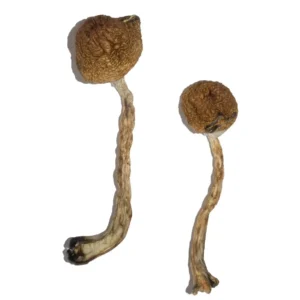
Dried Mushrooms Europe
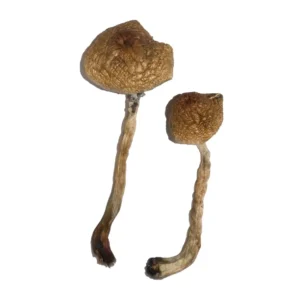
Dried Mushrooms Europe
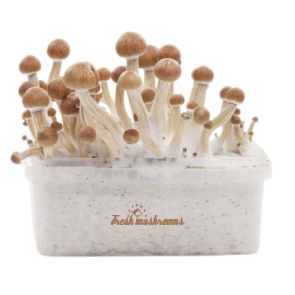
Mushroom Grow Kit Europe
Reviews
There are no reviews yet.