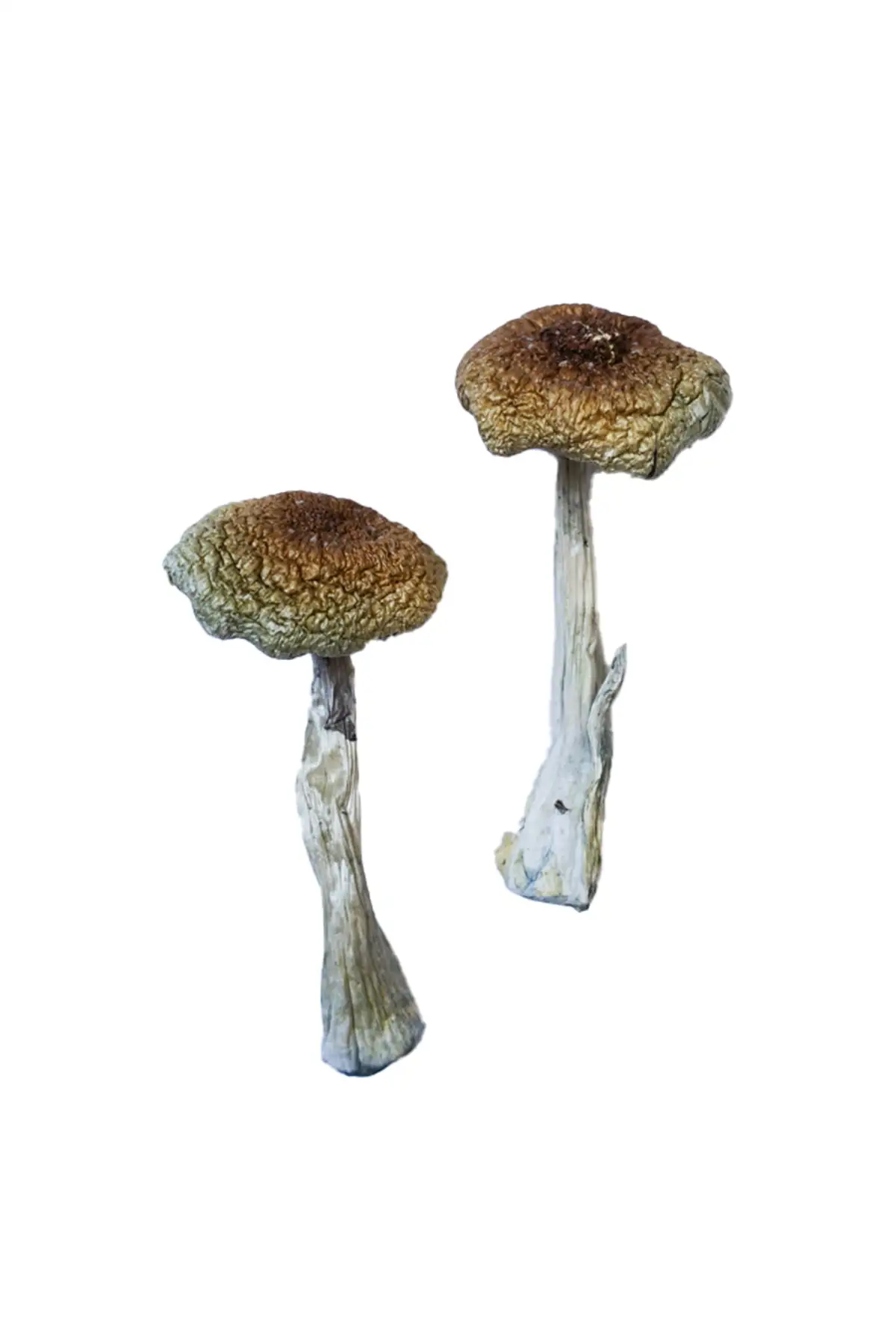
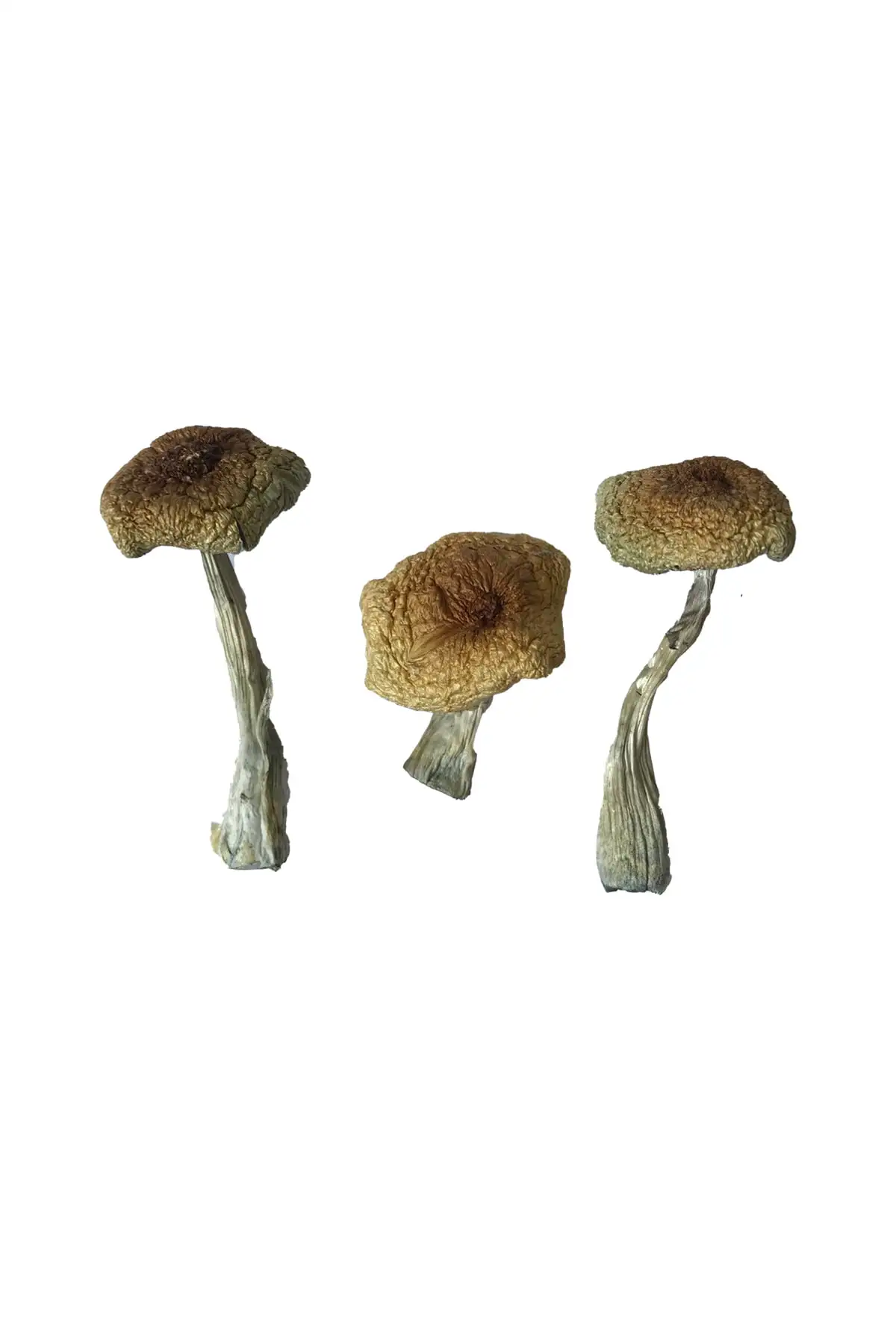
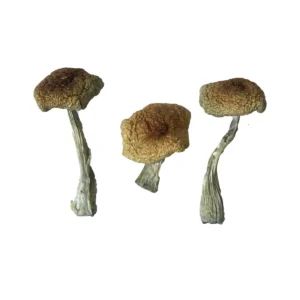
Psilocybe Aztecorum Magic Mushrooms Europe
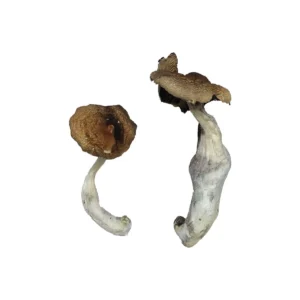
Psilocybe Aztecorum Magic Mushrooms Europe is a species of powerful psychedelic mushrooms originating from Central Mexico. Psilocybe Aztecorum has been referred to teonanacatl by 16th century Spanish explores, which means “sacred mushroom” or as “the flesh of the gods”. It is legendary for its spiritual use among the Aztecs and related tribes.
They are known to be moderate to high in potency. Psilocybe Aztecorum is still used in traditional ceremonies in Mexico. Expect to have a profound spiritual experience, revelations, and deep healing.
Psilocybe aztecorum – History, Cultural Significance & Legal Overview in Europe
Psilocybe aztecorum is a species of psychedelic mushroom native to the high-altitude regions of central Mexico. It has deep historical and ethnobotanical significance, particularly in relation to pre-Columbian Mesoamerican cultures.
The species is sometimes associated with the Nahuatl term “teonanácatl,” historically translated as “sacred mushroom” or “flesh of the gods,” a name recorded by early Spanish chroniclers during the 16th century.
Origin & Natural Habitat
Psilocybe aztecorum is primarily found in:
-
High-elevation mountainous regions
-
Pine and fir forests
-
Volcanic soil environments
-
Cool, moist climates
Its documented habitat is concentrated in central areas of Mexico, particularly near volcanic mountain ranges.
Cultural & Historical Significance
Historical accounts suggest that sacred mushrooms played an important ceremonial role among Aztec and related Indigenous groups. Spanish chroniclers described ritual use during religious and spiritual ceremonies.
Modern ethnomycological research—popularized by figures such as R. Gordon Wasson—helped bring broader awareness to traditional mushroom practices in the 20th century.
It is important to approach discussions of Indigenous traditions respectfully and recognize that ceremonial use remains a cultural and spiritual matter within specific communities.
Taxonomy & Classification
-
Species: Psilocybe aztecorum
-
Family: Hymenogastraceae
-
Common Association: “Teonanácatl” (historical term)
-
Native Region: Central Mexico
-
Environment: High-altitude forest ecosystems
Unlike many cultivated Psilocybe cubensis varieties, P. aztecorum is a distinct wild species with specific environmental requirements.
Reported Characteristics (Educational Overview)
In academic and community discussions, Psilocybe aztecorum is described as:
-
Containing psilocybin and psilocin
-
Potentially moderate to high in potency relative to some cubensis varieties
-
Associated with strong perceptual and cognitive alterations
Anecdotal reports mention:
-
Visual pattern intensification
-
Altered perception of time
-
Emotional amplification
-
Deep introspective or spiritual experiences
Individual responses vary significantly depending on dose, setting, psychological state, and physiology.
Legal Status in Europe
Psilocybin-containing mushrooms are illegal in most European countries.
Examples include:
-
Germany – Controlled substance
-
France – Illegal possession and distribution
-
United Kingdom – Class A controlled substance
-
Netherlands – Dried mushrooms illegal; regulated truffle market
Laws change over time, so always verify current local regulations.
Scientific Research Context
Modern clinical research into psilocybin is conducted under strict medical supervision at institutions such as:
-
Johns Hopkins University
-
Imperial College London
Studies are exploring potential therapeutic applications for depression, PTSD, addiction, and end-of-life anxiety within regulated clinical settings.
Be the first to review “Psilocybe Aztecorum Magic Mushrooms Europe”
Related products
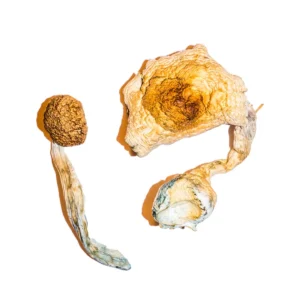
Dried Mushrooms Europe
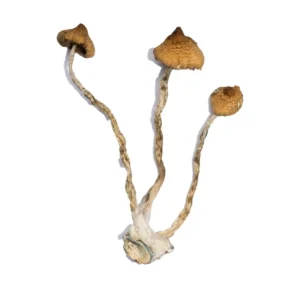
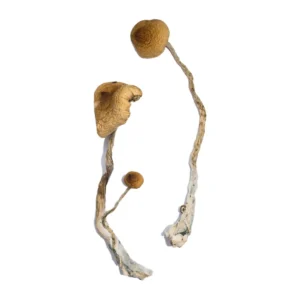
Dried Mushrooms Europe
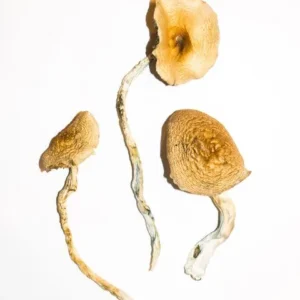
Dried Mushrooms Europe
Dried Mushrooms Europe
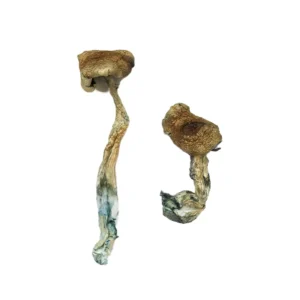
Dried Mushrooms Europe
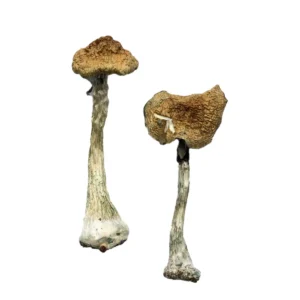
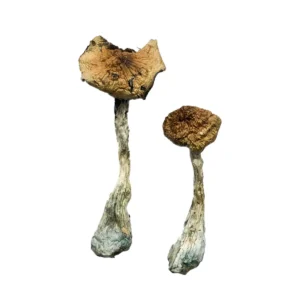
Dried Mushrooms Europe
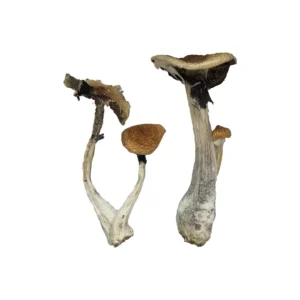
Dried Mushrooms Europe
Dried Mushrooms Europe
Reviews
There are no reviews yet.