
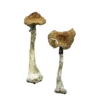
Amazonian Magic Mushrooms Europe
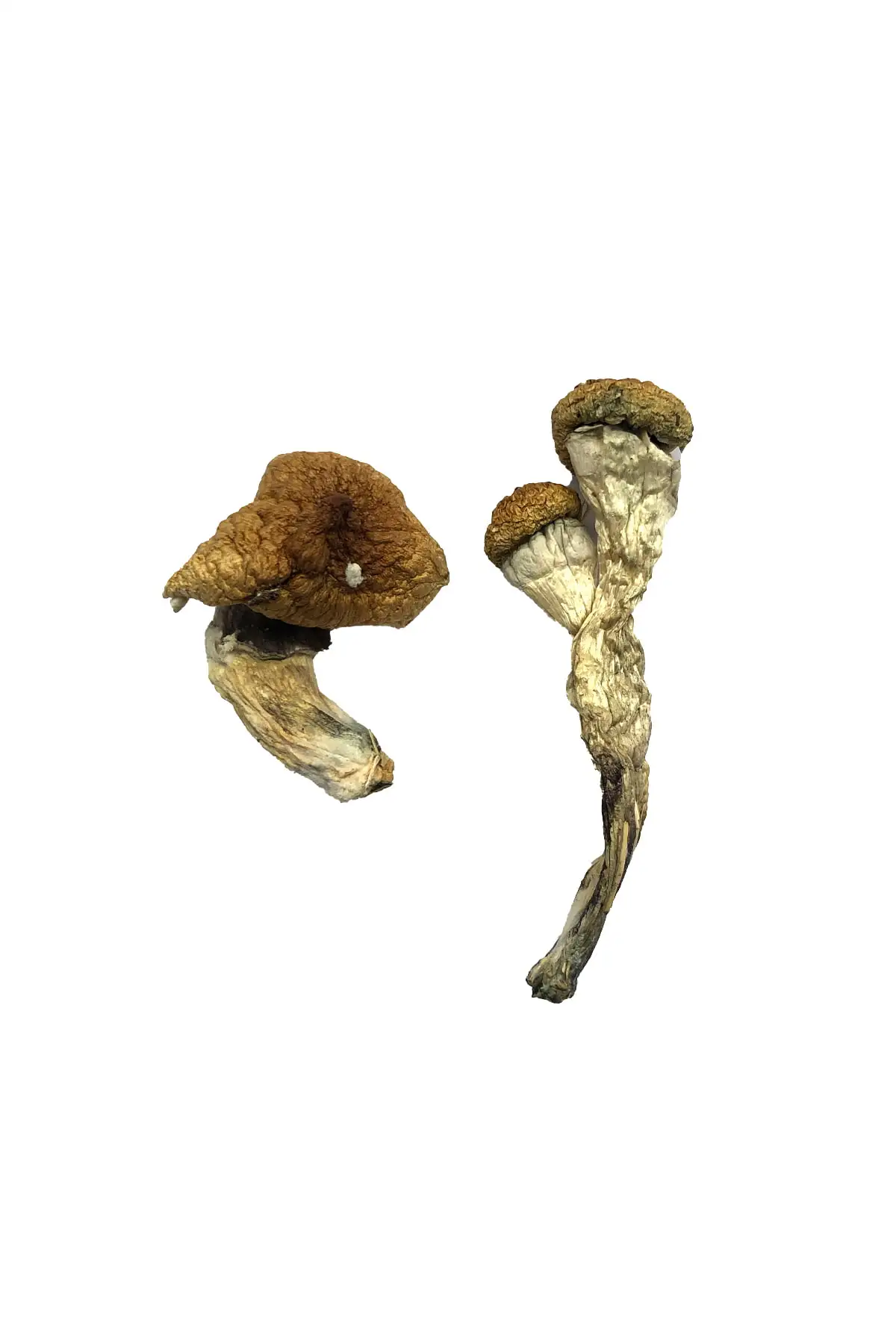
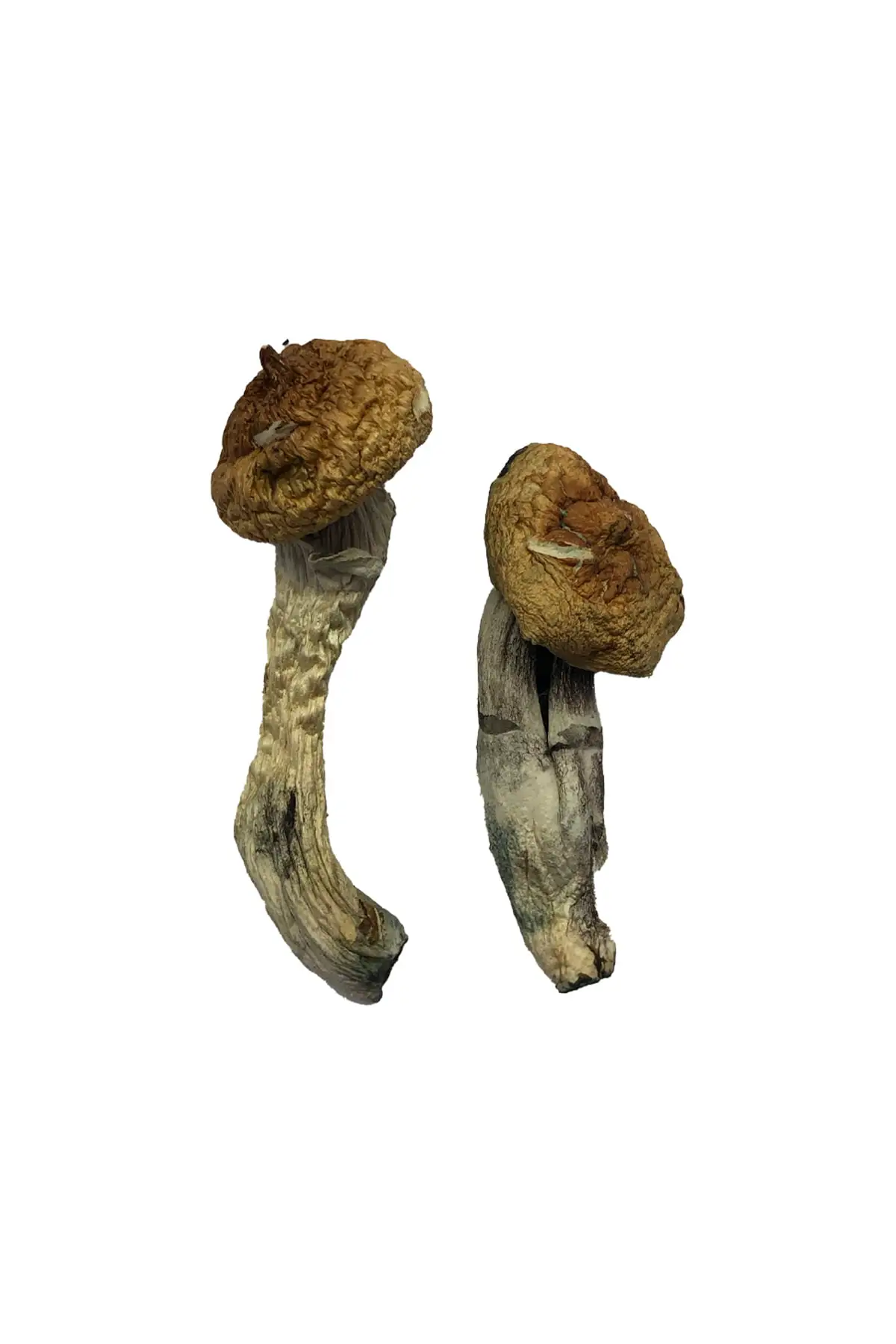
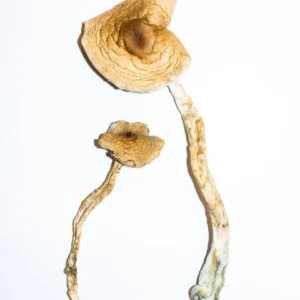
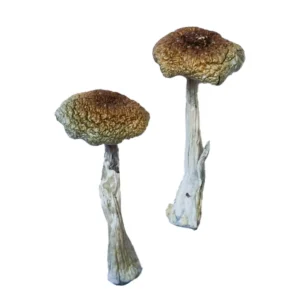
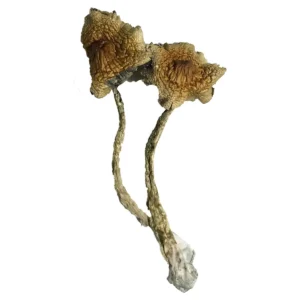
Amazonian Magic Mushrooms Europe (Psilocybe Cubensis Amazonian) is an ancient strain that traces back to the Amazon forest. It is unknown which mycologist originally collected this strain but this popular strain has been domesticated for over 50 years. The Amazonian shrooms are known to be thick and fleshy. It is not the easiest strain to grow commercially because of its slow fruiting.
Our staff report that Amazonian shrooms provide a good balance of colorful visuals and spiritual experience. It’s recommended for an intense visual trip with close friends or also recommended for a party with a smaller dosage. Some have reported this strain energized them to get up and dance!
Product Specifications
| Specification | Details |
|---|---|
| Product name | Amazonian Magic Mushrooms |
| Common scientific designation | Psilocybe cubensis Amazonian |
| Genus | Psilocybe |
| Species | Psilocybe cubensis |
| Variety designation | Amazonian |
| Category | Psilocybin-containing mushroom |
| Principal compounds | Psilocybin and psilocin |
| Physical characteristics | Commonly described as thick/fleshy in cultivation literature |
| Fruiting characteristics | Cultivar-dependent |
| Potency | Batch- and specimen-dependent |
| Origin claims | Amazonian origin is commonly stated but historical documentation varies |
| Laboratory verification | Recommended where legally available |
| Legal status | Varies by jurisdiction |
Appearance and Cultivar Characteristics
Amazonian P. cubensis is commonly described by growers as producing comparatively substantial fruiting bodies. However, environmental conditions, genetics and cultivation practices can influence appearance and size.
The following characteristics should therefore be regarded as general cultivar descriptions rather than guaranteed specifications:
- Thick or substantial stems
- Fleshy fruiting bodies
- Distinctive cap development
- Cultivar-specific growth characteristics
- Variable fruiting speed
- Variable individual mushroom size
Psilocybin and Psilocin
Psilocybin is the principal psychoactive compound associated with many hallucinogenic mushrooms. After ingestion, psilocybin is metabolized into psilocin, which is pharmacologically active. EUDA also notes that compounds such as baeocystin and norbaeocystin may occur in some mushrooms.
The concentration of these compounds is not uniform. Individual mushrooms from the same cultivar can differ in chemical composition, meaning that visual appearance or cultivar name cannot reliably establish potency.
Historical Background
Amazonian Psilocybe cubensis is widely discussed within mushroom-cultivation communities as an established cultivar. However, publicly available historical information does not provide a definitive identification of the original mycologist or collector.
For accurate ecommerce content, statements about its history should therefore use wording such as “commonly described as” or “cultivation literature associates the variety with…” rather than presenting undocumented history as established fact.
Scientific Classification
Kingdom: Fungi
Genus: Psilocybe
Species: Psilocybe cubensis
Common cultivar designation: Amazonian
Psilocybe cubensis belongs to a group of fungi associated with psilocybin and psilocin. EUDA reports that psilocybin-containing mushrooms occur primarily among genera including Psilocybe, Panaeolus and Copelandia.
Laboratory Testing
For scientifically reliable product information, laboratory analysis is preferable to relying on cultivar names or visual characteristics.
Potential analytical information includes:
- Species or genetic identification
- Psilocybin concentration
- Psilocin concentration
- Other tryptamine compounds
- Contaminant screening
- Batch identification
- Moisture content
- Microbiological testing
A laboratory report can provide substantially more reliable information about chemical composition than a product description alone.
European Legal Status
There is no single Europe-wide legal status that can be assumed for Amazonian Psilocybe cubensis.
EUDA states that psilocybin and psilocin are controlled under Schedule I of the 1971 UN Convention on Psychotropic Substances. However, European countries differ in how their national laws treat mushrooms containing those substances. Some laws specifically identify hallucinogenic mushrooms, while others regulate the controlled compounds themselves or cultivation and preparation activities.
EUDA also advises that national drug laws differ and can change, so current information should be obtained from the relevant national authority.
Frequently Asked Questions
What are Amazonian Magic Mushrooms?
Amazonian Magic Mushrooms is a common commercial and cultivation designation for an Amazonian variety of Psilocybe cubensis, a mushroom species associated with psilocybin and psilocin.
Is Amazonian a species?
No. Amazonian is generally used as a variety or cultivar designation. The commonly associated species is Psilocybe cubensis.
Where did the Amazonian strain originate?
The cultivar is commonly associated with the Amazon region, but the precise historical origin and identity of the original collector are not well documented in authoritative scientific sources.
Are Amazonian mushrooms the same as other Psilocybe cubensis varieties?
They belong to the same species, but cultivar characteristics can differ in appearance and growth characteristics. Chemical composition can also vary between individual mushrooms and batches.
Do Amazonian mushrooms contain psilocybin?
Psilocybe cubensis is a psilocybin-containing mushroom species. EUDA identifies psilocybin and psilocin as the principal psychoactive compounds associated with hallucinogenic mushrooms.
Are Amazonian mushrooms particularly potent?
A cultivar name alone cannot establish potency. Actual psilocybin and psilocin concentrations can vary between individual mushrooms, batches and growing conditions.
Why are Amazonian mushrooms sometimes described as thick or fleshy?
“Thick” and “fleshy” are common cultivation descriptions referring to the physical characteristics of some Amazonian P. cubensis specimens. These characteristics can vary with genetics and environmental conditions.
Are Amazonian mushrooms easy to grow?
Cultivation performance is dependent on genetics, environmental conditions and cultivation methods. Claims about specific growth speed or yield should be treated as supplier or grower observations rather than guaranteed specifications.
What is the difference between psilocybin and psilocin?
Psilocybin is metabolized into psilocin in the body. Both compounds are associated with the psychoactive effects of psilocybin-containing mushrooms.
Are Amazonian Magic Mushrooms legal in Europe?
Their legal status varies between European jurisdictions. Psilocybin and psilocin are internationally controlled, while national laws determine how mushroom products containing them are regulated.
Can Amazonian mushrooms be shipped throughout Europe?
There should not be a blanket assumption that they can legally be shipped to every European country. Importation, possession, sale and cultivation may be regulated differently in each jurisdiction.
Does a strain name prove the mushroom’s potency?
No. A cultivar name is not a substitute for laboratory analysis. If accurate potency information is required for legitimate research, appropriate analytical testing should be used.
Are Amazonian Magic Mushrooms approved medicines?
The Amazonian P. cubensis cultivar should not be presented as an approved medicine. EUDA reports that classical psychedelics had not received EU Member State or EU-level marketing authorization for neuropsychiatric treatment in its referenced information.
| Quantity | Ounce, 1/4 pound, 1/2 Pound, 1 Pound |
|---|
Be the first to review “Amazonian Magic Mushrooms”
Related products
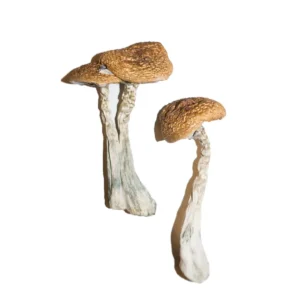
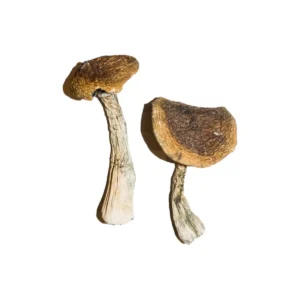
Dried Mushrooms Europe
Dried Mushrooms Europe
Dried Mushrooms Europe
Dried Mushrooms Europe
Dried Mushrooms Europe
Dried Mushrooms Europe
Dried Mushrooms Europe
Dried Mushrooms Europe
Reviews
There are no reviews yet.